


The Unyielding Spirit of Captain Joseph Andrews and the SS Thorpehall
By Jamie Tucknutt
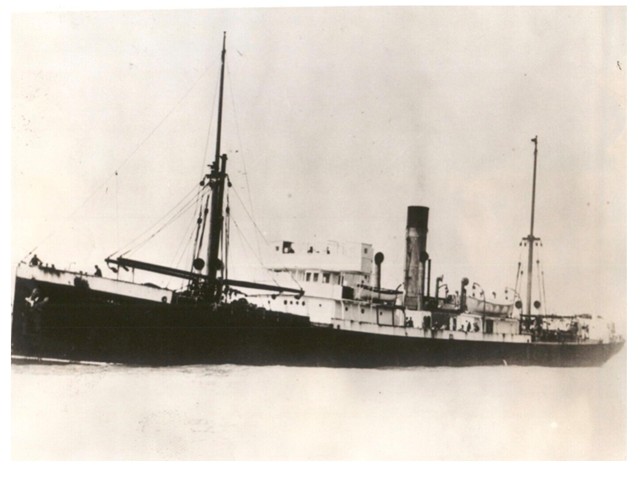
On April 6, 1937, the very day Franco’s fascist forces announced their blockade of Spain, a remarkable vessel achieved the impossible. The SS Thorpehall, a 1,200-ton steamer built in Sunderland by Sunderland Shipbuilding Co. in 1910, became the first ship to breach the blockade and enter Spain. Not only was the ship a product of Sunderland, with its engine constructed by North-Eastern Marine Engineering Company, but its skipper, the extraordinary Captain Joseph Andrews, was also a Sunderland native from 27 Clifton Street, Roker.
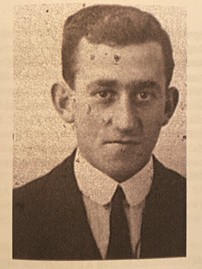

The Thorpehall was laden with vital food and provisions for the civilians caught in the throes of war, struggling for survival. As she approached Bilbao, she was confronted by two formidable fascist warships, the Almirante Cervera and the Galerna. Captain Andrews received a chilling threat: “Any vessel approaching the coast will be sunk or seized.” Despite this stark warning, Captain Andrews stood his ground, resolutely refusing to comply. He calmly provided only the information he was obliged to — his nationality and cargo — while simultaneously alerting the Royal Navy to his position and the perilous situation.
A tense standoff ensued, pitting one brave, unarmed captain against two heavily armed fascist warships. This dangerous impasse finally ended with the timely arrival of three Royal Navy vessels. Two of the British ships trained their guns on the fascist warships, while the third, HMS Brazen, courageously escorted the Thorpehall safely into port.
This heroic act marked the first, but certainly not the last, time Captain Andrews defied the fascist blockade. Time and again, he successfully delivered much-needed provisions and evacuated refugees, relying on both incredible luck and his exceptional seamanship skills to avoid disaster. The Thorpehall reportedly bore numerous shell scars from these daring escapades, leading Captain Andrews to affectionately nickname his ship “The Old Curiosity Shop” for the collection of shrapnel and bomb fragments he amassed during his encounters with fascist forces. He specifically noted that incendiary bomb fragments were of German origin, providing clear evidence of Nazi Germany’s direct contravention of the non-intervention agreement that prohibited supplying munitions to either side.
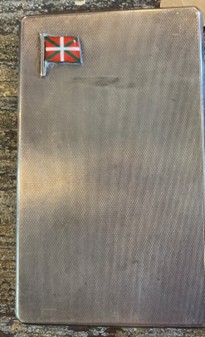
The heroism of Captain Andrews and the crew of the Thorpehall quickly spread. On May 1, 1937, the Aberdeen Journal reported, “The name of Captain Joseph Andrews has now become legendary among the Basques for courage and daring on the high seas.” In recognition of his immense contributions to their people, the Basque Government presented Captain Andrews with an inscribed cigarette case in 1938. (See photos below).

However, the Thorpehall and its Captain’s extraordinary luck could not hold out indefinitely. On May 25, 1938, while at anchor just outside Valencia, the ship was struck and sunk by fascist bombers during an air raid.
A Personal Connection and a Humorous Correction
Through an entirely unexpected and fortunate turn of events, I had the privilege of meeting Captain Andrews’ son, Jimmy, and his wife, Brenda, for coffee to discuss his father’s incredible exploits. The first thing Jimmy did was humorously correct a detail in a newspaper article I had included in my book. The article, from the Yorkshire Post on May 26, 1938, reported on the sinking of the Thorpehall, stating, “Capt Andrews, the first mate, wireless operator and chief steward swam about until they were picked up.”
With a laugh, Jimmy recalled, “My dad couldn’t swim a stroke! He might have held onto something and floated till he was rescued, but he never could swim.”

 Solidarity Park