


The Siege of Northern Spain – Sunderland Ships Coquetdale and Brinkburn
By Jamie Tucknutt
Early in the Spanish Civil War, fascist forces had secured control of nearly the entire northern coast of Spain. The only remaining holdout was the stretch of coastline from Gijón to Bilbao. To break the will of the resilient Basque people, General Franco declared a blockade of all ports on April 6, 1937, hoping to starve them into submission.
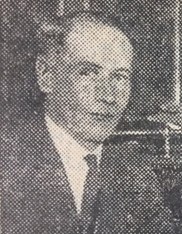
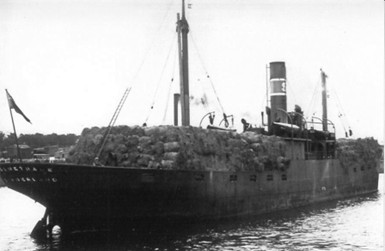
Just days before the blockade was imposed, two ships built in Sunderland—the SS Coquetdale and the SS Brinkburn (both constructed at Sir John Priestman & Co Ltd in Southwick)—had managed to deliver much-needed food supplies to Bilbao from Antwerp. The Coquetdale was captained by a Sunderland native, Charles Smith of Hastings Street. The chief officer of the Coquetdale was also from Sunderland, a man named George Pain of Grange Street South. He later recounted a fascist air raid on the Bilbao docks. The night attack forced the crew to scramble from their beds in various states of undress and find safety in the air raid shelters on shore.
Both ships later defied the fascist blockade, successfully leaving Bilbao. The Brinkburn was the first vessel of any nationality to do so.
Unfortunately, both ships met a similar fate a few years later during World War II. On August 8, 1940, the Coquetdale was sunk southwest of the Isle of Wight after a German bomber attack. Thankfully, the entire crew survived, with only two members wounded. The wreck now rests on the seabed 15 miles off St. Catherine’s Point in 100 feet of water.

A dive to the wreck by the Hampshire and Wight Trust for Maritime Archaeology was even filmed for BBC South. The Brinkburn was sunk west of Algiers by the German U-boat U-73, commanded by Captain Horst Deckert, who hit her with three torpedoes. Of the 31 crew, only two survived and were rescued by local fishermen.
 Solidarity Park