


Munity on the SS Linaria and crewman Spike Robson
By Jamie Tucknutt
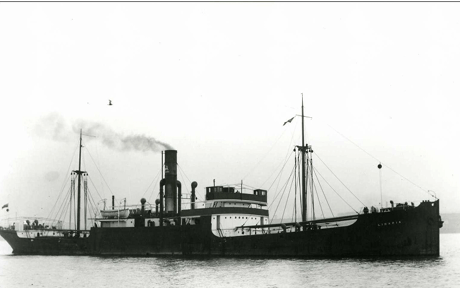
The SS Linaria was a 3,385-ton steam merchant ship built at the Sunderland Shipbuilding Co Ltd in 1924. While many sailors and ships from Sunderland earned pride for their actions during the Spanish Civil War, the Linaria and her crew are remembered for what they refused to do.
To understand their story, it’s necessary to grasp the context of the Non-Intervention Pact. Signed by 27 countries in August 1936, including Great Britain, France, Italy, Germany, and the USA, the agreement was intended to prevent the flow of war materials into Spain to avoid escalating the conflict across Europe. However, Italy and Germany, despite being signatories, continuously and openly ignored the pact, supplying men and armaments to Franco’s fascist forces. For example, the Italian submarine General Sanjuro sank the Ciudad de Barcelona, killing around 50 passengers, including Sunderland brigader Bill Lower. Furthermore, the German Condor Legion was responsible for the horrific bombing of Guernica. Consequently, the pact’s only real effect was to harm the Republican side by imposing an embargo.
A Refusal to Aid the Fascists
In January 1937, the SS Linaria sailed to Norfolk, Virginia, to pick up a cargo bound for Spain. It was while docked in Norfolk that the crew, led by Alec “Spike” Robson, a political activist from North Shields, uncovered the true nature of their mission. The ship was intended to carry a cargo of nitrates to Seville, which was supposedly for use in fertilizers for olive trees. However, Robson, a veteran of World War I who had been wounded twice and awarded the Distinguished Conduct Medal and Military Medal, knew a great deal about explosives. The crew believed the nitrates were actually intended for the fascists to manufacture explosives.
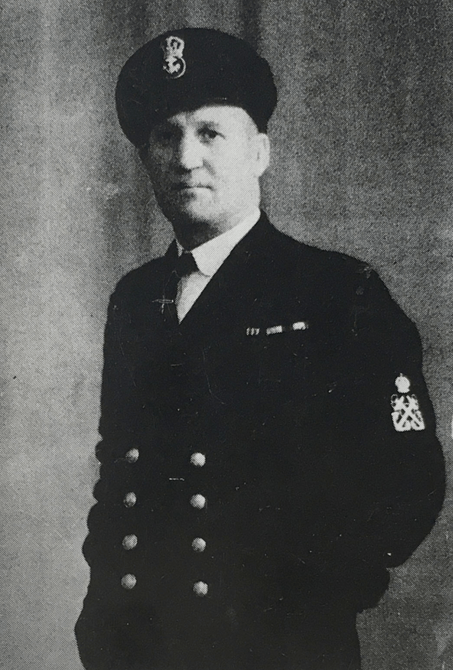
In protest, the crew refused to load the cargo, called a strike, and would not sail. Robson, acting as the crew’s spokesperson, told the Yorkshire Evening Post, “We do not want to help deliver nitrates because we do not want to be a party to the killing of women and children.” Supported by peace movements and trade unions while they were stranded in the USA with no money, the crew’s negotiations with the ship owners, Joseph Robinson & Sons of North Shields, broke down.
Trial and Vindication
The crew was sent back to England aboard the Cunard liner SS Samaria. As soon as the ship docked in Liverpool, police boarded and charged all seventeen men with “impeding the navigation of a vessel” under the Merchant Shipping Act 1894, Section 225. This was the civilian equivalent of mutiny. While the two apprentices among the crew were acquitted, the other men were found guilty and fined £2. More significantly, they received dishonourable discharges from the Merchant Navy, which meant they could never serve at sea again.
The men appealed the verdict, as their convictions were unjust and seafaring was their only profession during a time of high unemployment. In April 1938, their appeal was successful, with the three judges noting that the crew had “ample justification for their refusal [to sail].” Despite the successful appeal, Spike Robson remained blacklisted until the outbreak of World War II, when he joined the Royal Navy as a petty officer.
The Final Voyage
The SS Linaria also went on to serve in the Second World War. However, at 1:16 a.m. on February 24, 1943, while carrying 2,500 tons of coal to Canada, she was torpedoed and sunk by a German U-boat (U-96). The Linaria went down approximately 265 miles south of Reykjavik, Iceland, with the loss of all 35 crew members.
 Solidarity Park